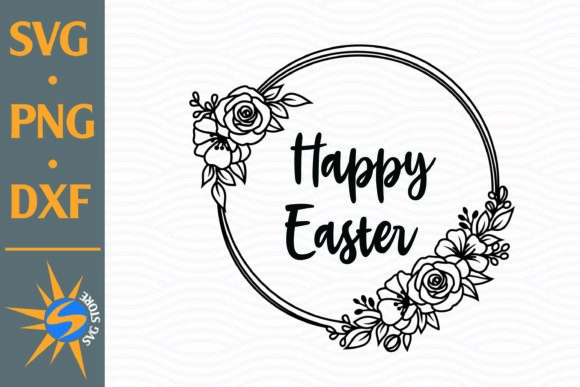
Happy Easter Floral
A Designer’s First Look: Light, Lively, and Just Right for Spring
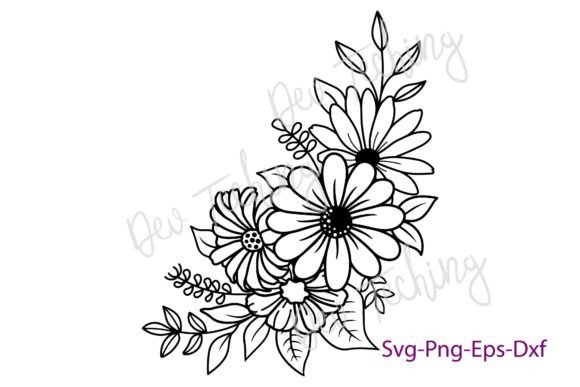
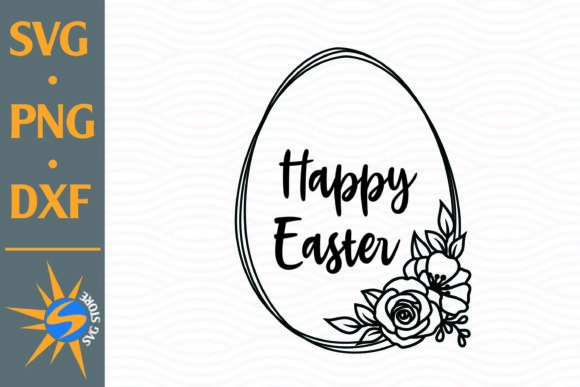
Opening Happy Easter Floral feels like stepping into a sunlit garden—soft curves, balanced asymmetry, and a gentle rhythm between blossoms and stems. It’s not fussy or overly ornate, but it’s also not generic. As an embroidery designer who’s stitched hundreds of holiday motifs, I immediately noticed how the layout breathes: no cramped clusters, no awkward negative space, and just enough detail to read clearly at 3–4 inches tall. That matters—because this isn’t a design meant for digital-only display. It’s built for real fabric, real thread, real hands.
Where It Shines: Real Projects, Real Customers
Last week, I prepped a batch of custom embroidered tote bags for a local boutique’s Easter pop-up—and Happy Easter Floral was my top pick for the front-center motif. Why? Because it lands with warmth, not whimsy overload. On natural canvas, stitched in soft pastel cotton threads (mint, buttercup, blush), it looked handmade but polished—like something you’d proudly gift or sell in a curated shop. I’ve also tested it on lightweight baby onesies (with tear-away stabilizer) and linen tea towels (using a light cutaway). In both cases, the floral shape held its integrity: petals stayed distinct, stems didn’t vanish into fill stitch noise, and the overall silhouette remained legible even after laundering.
For Etsy sellers and small shop owners, this design bridges personalization and professionalism. It works beautifully as a standalone motif on sweatshirt cuffs, apron pockets, or pillow covers—no need to crowd it with text or borders. And because it reads well at medium scale (3.5–5 inches), it avoids the “too-small-to-see” trap that plagues so many holiday graphics when scaled down for caps or baby hats.
Where to Pause—and Test First
That said, Happy Easter Floral isn’t magic on every surface. On highly textured fabrics like bouclé or thick terry cloth, some of the finer stem lines softened slightly—nothing lost, but enough to suggest using a slightly heavier stabilizer or adjusting stitch density if your machine allows. On dark fabric, especially charcoal or navy, I recommend testing contrast with lighter thread (ecru or pale yellow) rather than assuming white will pop cleanly. And on stretchy knits? Always use cutaway + topping—I found the outer petal edges stayed crisp only when stabilized properly.
It’s also not ideal for tiny hoops under 4 inches without simplification. The lower-left cluster of buds and leaves sits close together; on a 3-inch hoop, those details risk blending unless you reduce density or adjust underlay. Likewise, avoid placing it directly over seams or curved surfaces like cap fronts without repositioning the design to follow the grain—stitch tension shifts fast on rounded areas.
What It Adds to Your Finished Product
This is where Happy Easter Floral quietly elevates your work. It doesn’t shout—but it invites attention. Customers notice the balance, the quiet confidence in its spacing. That translates directly to perceived value: a $28 embroidered tea towel feels like a keepsake, not a craft fair afterthought. For handmade product sellers, that nuance builds trust. For boutique brands, it supports consistency—imagine using the same motif across matching kitchen linens, nursery pillows, and greeting cards (thanks to the included SVG vector file).
I’ve used it in printable mockups for client pitches, and it holds up beautifully in grayscale previews—meaning buyers can visualize it on their own products before committing. That’s rare for floral designs, which often rely too heavily on color to carry meaning. Here, form does the work.
Practical Notes Every Embroiderer Should Keep Handy
- Always test first—on scrap fabric *identical* to your final project, with the same stabilizer and thread colors.
- Check Happy Easter Floral in black-and-white mockups—not just full-color—to assess clarity and contrast.
- Review stitch density visually in your embroidery software. If fills look heavy or petals appear muddy, reduce density by 5–10% before stitching.
- Confirm hoop size compatibility. While the design scales well, very tight placements may require manual adjustment in Design Space or Silhouette Studio.
- Inspect small corners and inner curves—especially where stems meet blossoms. These are common snag points on dense fill areas.
- Use proper stabilizer: tear-away for stable wovens, cutaway for knits or delicate fabrics, and topping for napped or textured surfaces.
- If selling finished items commercially, verify licensing terms—Happy Easter Floral is listed as a digital embroidery file and graphic asset, but commercial use rights depend on the seller’s policy.
Final Thought: A Reliable, Seasonal Workhorse
Happy Easter Floral won’t replace your go-to monogram or signature script—but it *will* become the design you reach for when you need something cheerful, cohesive, and quietly sophisticated. It fits seamlessly into a craft business workflow: easy to prep, forgiving on most fabrics, versatile across product types (tote bag design, sweatshirt embroidery, baby embroidery, holiday embroidery), and strong enough to stand alone in an Etsy listing or boutique display.
As a designer who evaluates dozens of embroidery files each month, I appreciate when a motif respects the limits of thread and fabric—not just the screen. Happy Easter Floral does exactly that. It’s thoughtful, adaptable, and rooted in real-world making. Whether you’re stitching for joy, gifting with intention, or building a small shop around handmade product integrity, this one earns its place in your design assets.